

Travel Trailer Rentals in Denver, CO
Browse travel trailers from local Denver hosts — Rocky Mountain National Park, Great Sand Dunes, and Mesa Verde.
Denver, CO Travel Trailer Rental Market at a Glance
What renters can expect from towable rentals in the Denver area right now
331+
Rentals Near Denver
$135/night
Average Rate
77%
Offer Delivery
4.90★
Avg Guest Rating
Nightly rates in the Denver area run from $80 to $209, with weekly rentals averaging about $795 — budget-friendly teardrops and pop-ups sit at the low end, while large family bunkhouse trailers and 5th wheels top the range.
Local rentals sleep 5 people on average, with the largest sleeping up to 11.
77% of area hosts offer delivery, so you can have your rental trailer delivered and set up right at your campsite.
Market data fresh as of August 2026.
Also explore nearby rentals in Colorado, Kansas, Nebraska, New Mexico, Wyoming.
Travel Trailer Rental in Denver: Your Basecamp for the Front Range
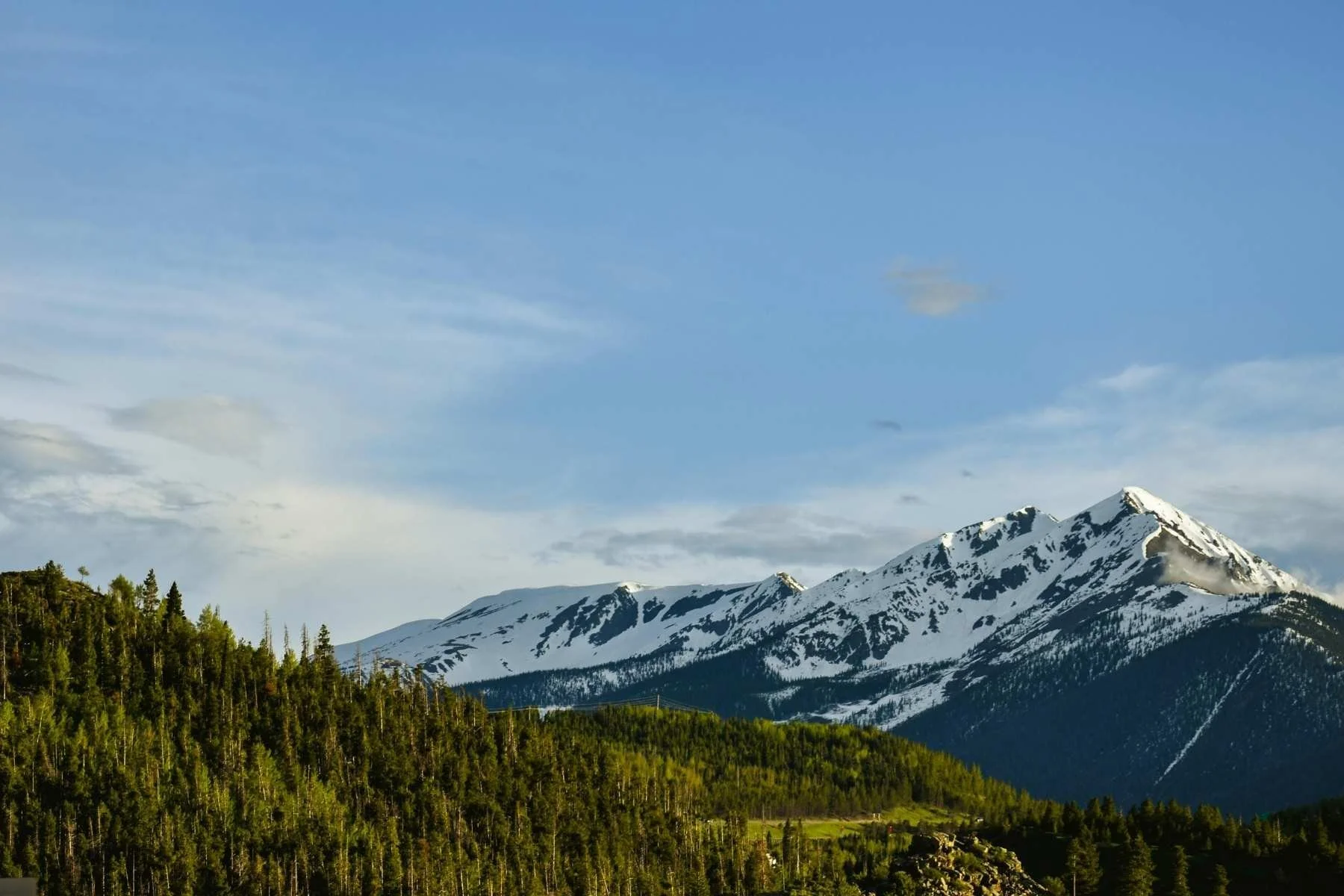
A travel trailer rental in Denver puts you an hour from alpine passes, red rock amphitheaters, and reservoir campgrounds that fill up by Memorial Day. Denver sits at 5,280 feet where the eastern plains slam into the Rockies, which means you can pull out of a metro driveway in the morning and be parked under lodgepole pines by lunch. Rates in the area average $135 a night, and 331+ rentals are listed near the city.
The Denver, CO Landscape Rewards Anyone Traveling by Towable RV
Denver's geography is unusual among big American cities. The prairie runs flat and open to the east, then the Front Range rises abruptly along the western edge of the metro, with foothills starting inside a 30 minute drive. Golden, Morrison, and Evergreen sit right at that seam, and Red Rocks Park cuts into the sandstone fins just off C-470.
West of that, I-70 climbs into the high country through Clear Creek Canyon and over the Continental Divide. Mount Blue Sky, the South Platte River, and the Arapaho and Pike National Forests are all reachable inside a half day of driving. To the north, Rocky Mountain National Park anchors a stretch of 12,000-foot peaks that stay snow-capped into July.
That vertical range is exactly why a towable makes sense here. You can base at a full-hookup reservoir park in the metro one night, then reposition to 8,000 feet the next without booking a second hotel. Denver-area rentals sleep 5 people on average, with the largest listings sleeping up to 11, so the vehicle scales with the group rather than the itinerary.
Related Article: 5 Best RV Road Trip States in the United States
Where to Take a Rental Trailer Around Denver, CO
Chatfield State Park (Littleton) is the workhorse of the metro, roughly 25 miles south of downtown along a large reservoir with the foothills in view. Colorado Parks and Wildlife manages 197 sites across four loops, with 120 full-hookup sites in the A, B, and D loops and 77 electric-only sites in B and C. Sites take rigs up to about 45 feet, and the campground is open year round, though water hookups shut off in mid-October and come back on in early April. One practical detail: the Deer Creek entrance has a 13-foot height limit, so taller units need the Plum Creek entrance on N. Roxborough Park Road. Map apps routinely route people to the wrong gate, so enter the street address rather than the park name.
Cherry Creek State Park (Aurora) is the closest option to the city center, wrapped around an 880-acre reservoir with a swim beach, a marina, and 35 miles of multi-use trails. Sites offer electric service with a dump station on site, and the park's off-leash dog area is a genuine perk if you are traveling with a dog. It is a prairie-and-wetland setting rather than a mountain one, which makes it a smart first or last night when you are flying into DEN.
Reverend's Ridge at Golden Gate Canyon State Park gets you into real mountains at about 8,300 feet, roughly an hour from downtown near Golden. Of its 97 sites, 59 have 20/30/50 amp electric pedestals. There is no water or sewer at the site, but a dump station and shower building serve the campground in season. Read the park's camping page before you go, because towed units are not supposed to use Golden Gate Canyon Road. The trailer route runs west on Highway 46 to Highway 119, then north to Gap Road. Cell coverage is unreliable throughout the park.
St. Vrain State Park (Firestone) sits just off I-25 about 35 minutes north, with 87 sites arranged around seven ponds and clear views of Longs Peak. Sites 1 through 41 are electric, and sites 42 through 87 have water, sewer, and electric. Interstate noise carries into the campground, which is the trade-off for how easy it is to reach.
The Best Months for a Denver, CO Camp Trailer Trip
The practical season runs from late May through mid-October. June, July, and August are the busiest, with warm days in the 80s in the metro and considerably cooler nights at elevation. July and August also bring the North American monsoon, which produces near-daily afternoon thunderstorms in the mountains, usually between 1 and 4 p.m. Hike early, be back at the site by mid-afternoon, and you will mostly stay dry.
September into the first week of October is the strongest shoulder window. Aspens turn gold in the high country, campgrounds thin out after Labor Day, and daytime highs settle into the 60s and 70s. Nights drop into the 30s and 40s at 8,000 feet, so pack for a 40-degree daily swing.
Spring is trickier than newcomers expect. March and April are Denver's snowiest months, and mountain access can close on short notice. Late April and May work well for the Front Range parks at lower elevation. Check COtrip for live road conditions before any mountain leg, in any season.
Related Article: The Complete RV Camping Essentials Packing List (First-Timer Edition)
What to Know Before You Book a Pull-Behind Trailer in Denver, CO
Colorado does not require a special license or endorsement to tow the trailer sizes most renters choose. What matters is the match between your vehicle and the trailer: check your tow rating and payload against the trailer's loaded weight and tongue weight, confirm hitch class and ball size, and remember that Colorado requires functioning brakes on trailers above 3,000 pounds, which means you need a brake controller. A weight distribution hitch with sway control makes a real difference on I-70 crosswinds.
Altitude is the other local factor. Naturally aspirated engines lose roughly 3 percent of their power per 1,000 feet of elevation, so a tow vehicle that feels adequate at sea level will feel sluggish climbing out of Idaho Springs. Descend in low gear, use the runaway ramps as the warning signs they are, and give yourself extra following distance.
If you would rather skip towing entirely, 77 percent of hosts in the Denver area offer delivery. They tow the vacation trailer to your campsite, level it, and set it up, and you meet it there. Many hosts also offer lower-cost stationary insurance for rentals that are not towed by the renter, which brings the total down meaningfully.
What comes with a rental varies from listing to listing. Bedding, kitchen gear, camp chairs, propane, and generators are all host-dependent, so confirm the specifics before you book. Pet policies vary too, with some hosts charging an additional pet fee and others not. Cancellation policies are set per listing and worth reading closely. Message the host directly with any specific question before you book.
Related Article: Planning Your First RV Road Trip? Start Here.
Day Trips and Extensions Beyond Denver, CO
Estes Park and Rocky Mountain National Park are 90 minutes northwest, where Trail Ridge Road climbs above 12,000 feet and elk wander the meadows at dusk. Check the park's website for timed-entry requirements and campground length limits, since park campgrounds have no hookups.
Idaho Springs and Georgetown sit 40 minutes west on I-70, close enough for a soak in the hot springs and a ride on the Georgetown Loop Railroad before dinner.
Colorado Springs is about 70 minutes south on I-25, with Garden of the Gods, Pikes Peak, and the Cave of the Winds within a single afternoon. See our Colorado Springs RV rental page for local listings and campgrounds
Buena Vista and Salida are two and a half hours southwest along the Arkansas River, framed by the Collegiate Peaks and stacked with rafting outfitters and riverside hot springs.
Frequently Asked Questions About Travel Trailer Rental in Denver
How much does it cost to rent a trailer in Denver?
Nightly rates in the Denver area average about $135 and generally run from $80 to $209, with weekly rentals averaging around $795. Budget-friendly teardrops and pop-ups sit at the low end of that range, while large family bunkhouse trailers and 5th wheels top it out. Delivery, insurance, and mileage are typically priced separately, so review the full breakdown on the listing before booking.
Do I need a special license to tow a trailer in Colorado?
No. A standard driver's license covers the trailer sizes most renters book in Colorado. What you do need is a tow vehicle rated for the loaded weight of the trailer, the correct hitch, and a brake controller for any trailer over 3,000 pounds. If your vehicle is not up to it, delivery is the simpler path.
Can I have a trailer delivered to my campsite near Denver?
Yes. Roughly 77 percent of hosts in the Denver area offer delivery, meaning they tow the rig to your campground, level it, and set it up before you arrive. This removes the need for a tow vehicle entirely and often unlocks a lower-cost stationary insurance option. Confirm the delivery radius and fee with the host, since both vary.
What size trailer do I need for my group?
Rentals near Denver sleep 5 people on average, and the largest listings in the area sleep up to 11. Sleeping capacity counts convertible dinettes and sofas, so a trailer listed for six is usually comfortable for four adults or two adults and three kids. Ask the host how the sleeping arrangement actually splits if you are close to the limit.
When is the best time of year to camp near Denver?
Late May through mid-October is the reliable window, with June through August the busiest. September is the sweet spot for aspen color, thinner crowds, and mild days. Mountain campgrounds above 8,000 feet often close facilities for winter, and Front Range parks like Chatfield turn off water hookups from mid-October to early April.
Are trailer rentals near Denver pet-friendly?
It depends on the host. Some welcome pets with an additional pet fee, some allow them at no charge, and others do not allow pets at all. Chatfield, Cherry Creek, and St. Vrain all permit leashed pets in the campground, so the limiting factor is usually the rental itself. Message the host before booking to confirm.
Ready to Go?
Denver rewards travelers who show up with a place to sleep already sorted, and with 331+ rentals in the area averaging a 4.90 guest rating, there is real selection to work with. Browse travel trailer rental Denver listings on BookRVs.com by location, dates, and trailer type, then message the host with your questions before you lock it in. Your basecamp for the Front Range is a few clicks away.